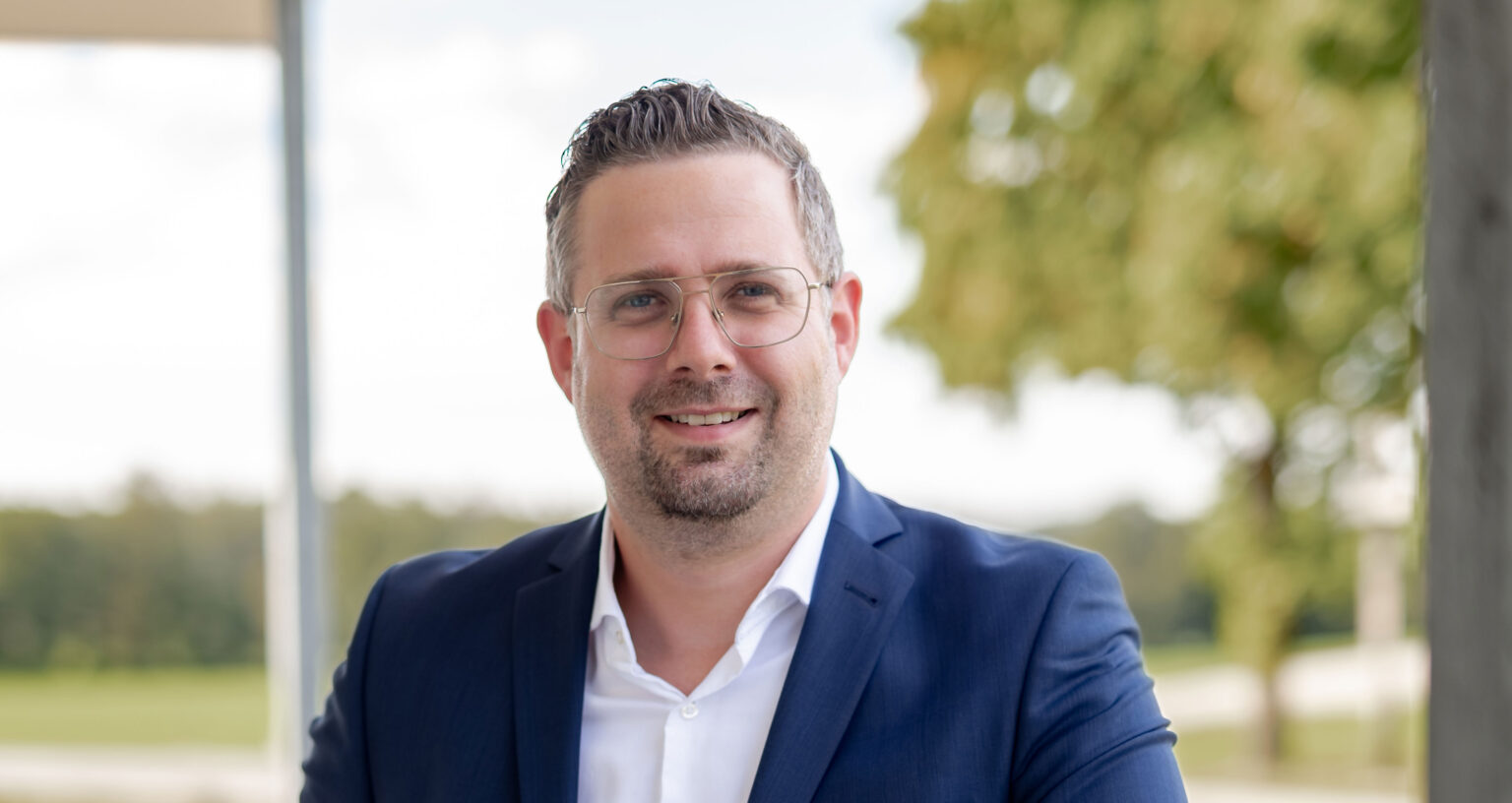
A Look Behind the Scenes with Christoph Götzendorfer
Our strength lies not only in our products, but also in our values. In the following interview, our Commercial Managing Director, Christoph Götzendorfer, shares his perspectives on quality, responsibility, and the future of “Made in Europe.”
With more than 100 employees, Hartjes is the largest shoe manufacturer in Austria. The brand stands for health consciousness, comfort, and fashionable style, as well as social responsibility and sustainability.
What sets Hartjes shoes apart from the many other brands available on the market?
For us, a shoe is not a disposable item, but a durable, high-quality product. While many manufacturers focus on fleeting trends and low prices, we make shoes that work—for your feet, for everyday life, and for many years to come.
Why should a female customer choose Hartjes shoes, and what can she expect?
A customer can expect the shoe to fit right from the start—no breaking in, no compromises. What’s more, she gets a product that will last her for years. For us, this is a key aspect of sustainability: buy less, but buy better. And last but not least: she is making a conscious choice to buy a product that is manufactured in Europe under fair conditions.
You are Austria’s largest shoe manufacturer. Why did you stay here, unlike others?
Because we’re convinced that quality and responsibility are inextricably linked.
Manufacturing in Austria gives us control over every single step—from the materials to the finished
shoe. Of course, it would be easier and cheaper to produce elsewhere. But we believe that our customers recognize and appreciate exactly this difference.
What do you see as the advantages and disadvantages of manufacturing in Austria specifically?
The biggest advantage is quality assurance and proximity—both to our employees and to our partners. We can react quickly, develop flexibly, and consistently implement our standards. The downside, of course, is the cost. But we see this less as a problem and more as a clear positioning: We don’t want to be the cheapest; we want to be the best in our segment.
How do you assess the future prospects of the footwear market in light of low-cost competition from countries with low wages?
The market will continue to diversify. There will always be a strong focus on price—but at the same time, awareness of quality, sustainability, and origin is growing. Our job is to clearly communicate this added value. When people understand what goes into a product, they make more informed purchasing decisions.
If you were the head of government for three days, what would you want to change?
I would ensure a level playing field: Those who meet high standards should not be at a disadvantage in the competition.
What are your hopes for the future?
That we prioritize value over price, ensure quality, and secure a strong future for “Made in Europe.”